
What could the curriculum be – if it was designed by the people who dropped out of school so that they could breathe? The latest issue of Chimurenga provides alternatives to prevailing educational pedagogy. Through fiction, essays, interviews, poetry, photography and art, contributors examine and redefine rigid notions of essential knowledge.
Presented in the form of a textbook, Chimurenga 15 simultaneously mimics the structure while gutting it. All entries are regrouped under subjects such as body parts, language, grace, worship and news (from the other side), numbers, parents, police and many more. Through a classification system that is both linear and thematic, the textbook offers multiple entry points into a curriculum that focuses on the un-teachable and values un-learning as much as it’s opposite.
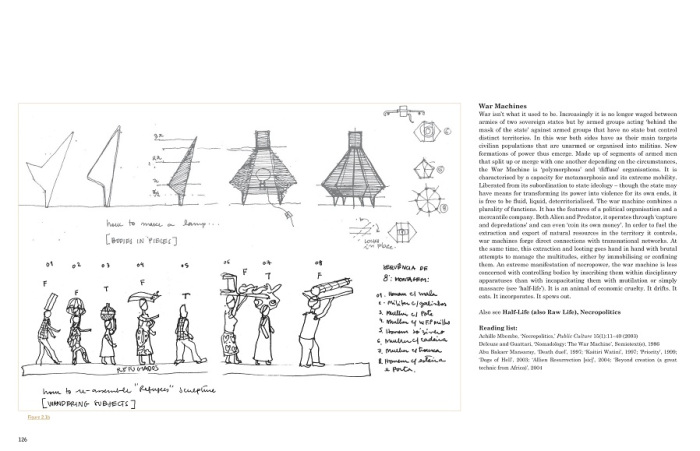
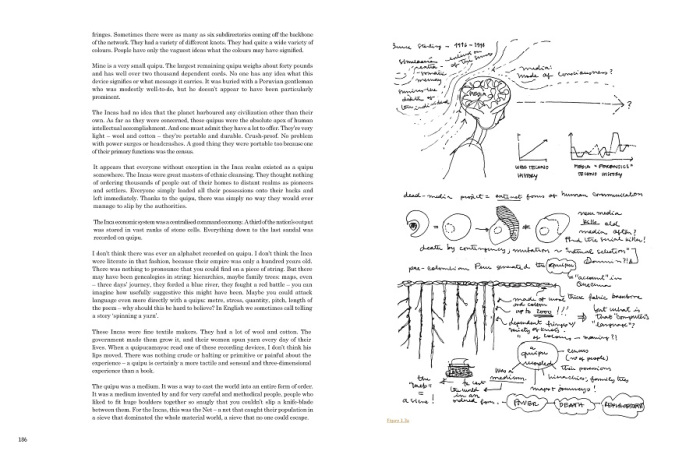
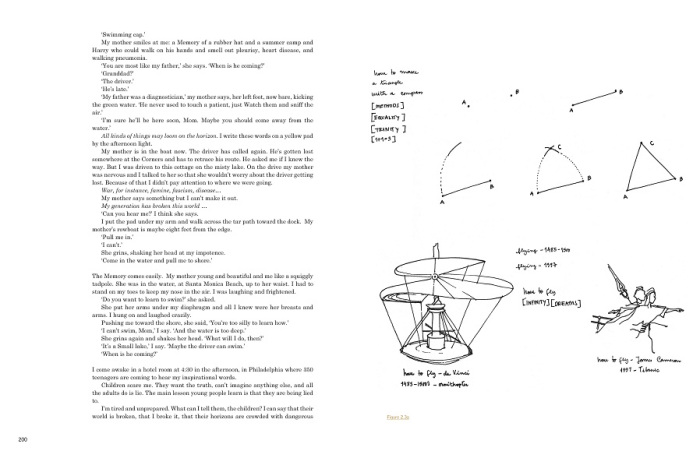
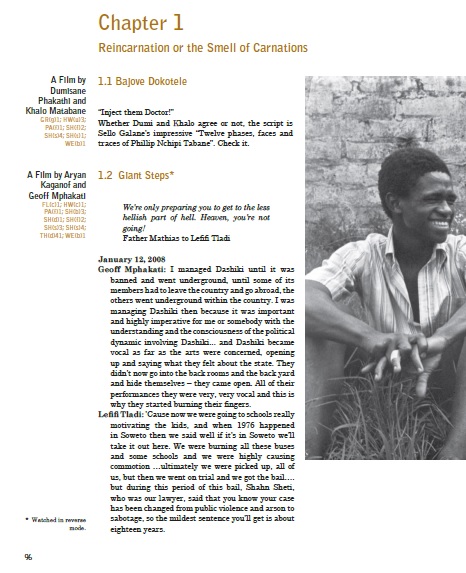
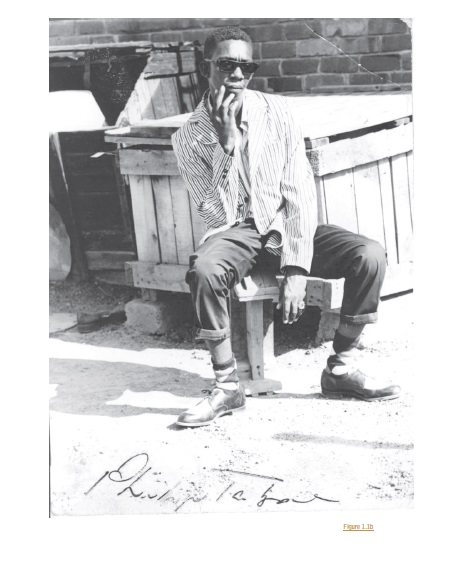


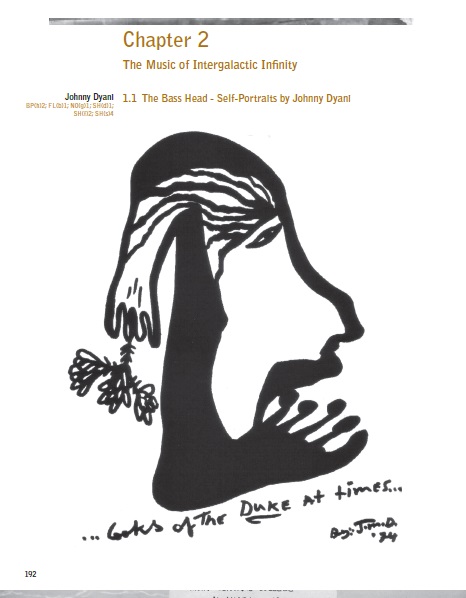
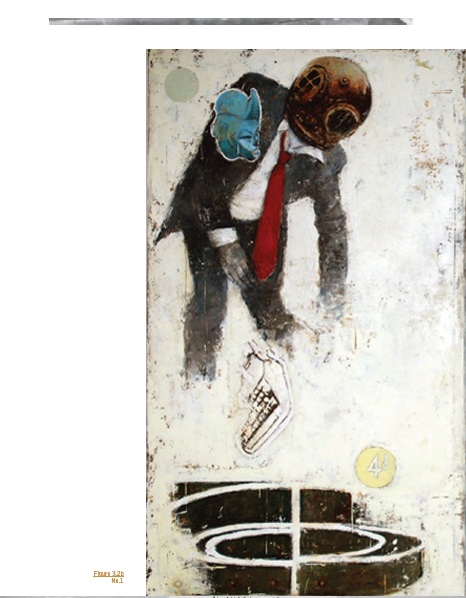
Inside: Amiri Baraka waxes poetic on the theoretics of Be-Bop; Coco Fusco flips the CIA’s teaching manual for female torturers; Karen Press and Steve Coleman instruct in folk-dancing; Dambudzo Marechera proposes a “guide to the earth”; Dominique Malaquais designs the museum we won’t build; through self-portraits Phillip Tabane and Johnny Dyani offer method to the Skanga (black music family); and Winston Mankunku refuses to teach.
Other contributors include Binyavanga Wainaina, Akin Adesokan, Isoje Chou, Sean O’Toole, Pradid Krishen, E.C. Osundu, Salim Washington, Sefi Atta, Ed Pavlic, Neo Muyanga, Henri-Michel Yere, Medu Arts Ensemble, Aryan Kaganof, Khulile Nxumalo and Walter Mosley amongst others. Cover by Johnny “Mbizo” Dyani.
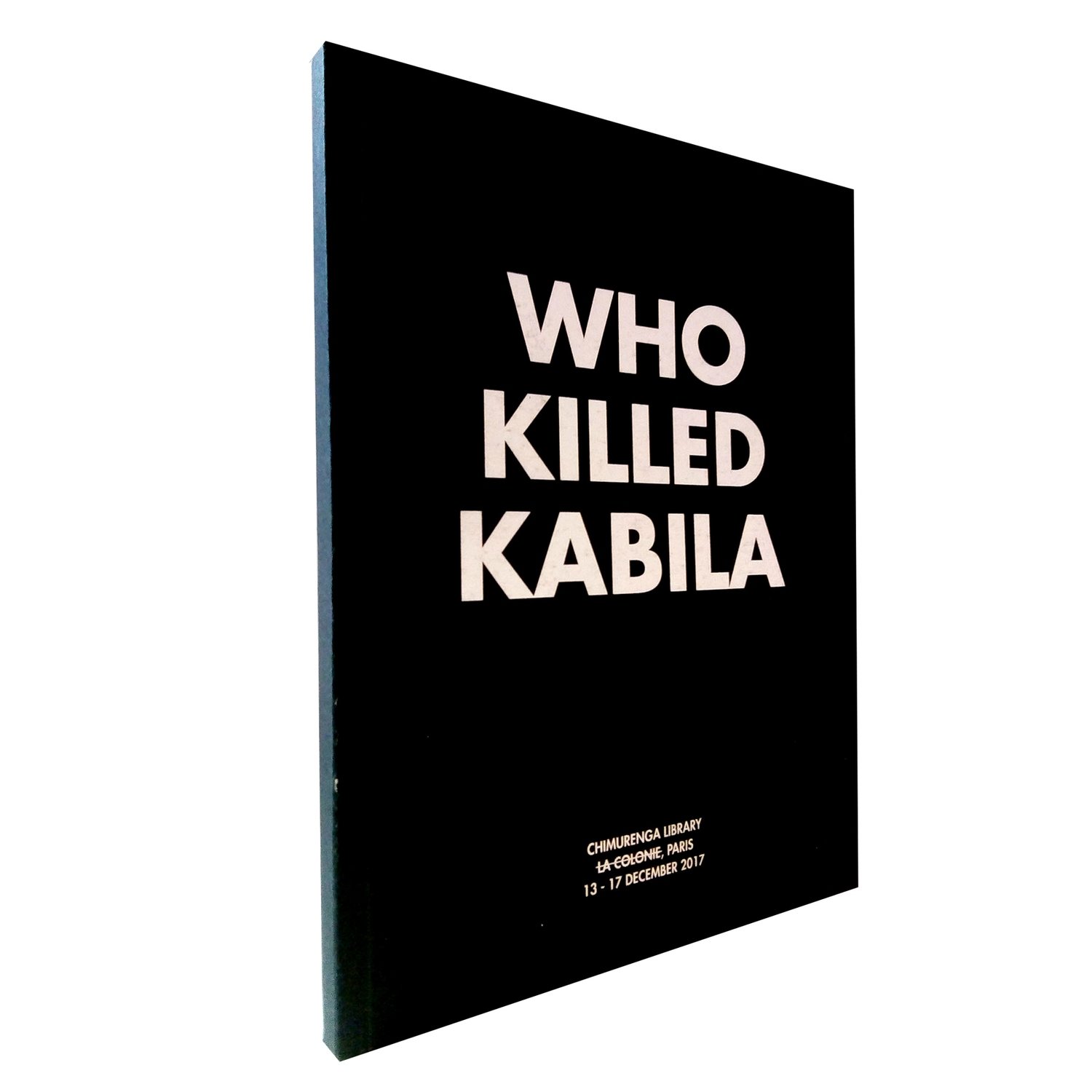
From December 13 – 17, 2017, Chimurenga installed a library of books, films, and visual material mapping extensive research that ask “Who Killed Kabila”, as the starting point for an in-depth investigation into power, territory and the creative imagination. This book catalogues all the research material produced and collected for this installation.
The equation is simple: the length of a Congolese president’s reign is proportional to his/her willingness to honour the principle that the resources of the Congo belong to others. Mzee Kabila failed.
Who killed Kabila is no mystery either. It is not A or B or C. But rather A and B and C. All options are both true and necessary – it’s the coming together of all these individuals, groups and circumstances, on one day, within the proliferating course of the history, that does it.
So telling this story isn’t merely be a matter of presenting multiple perspectives but rather of finding a medium able to capture the radical singularity of the event in its totality, including each singular, sometimes fantastical, historical fact, rumour or suspicion.
We’ve heard plenty about the danger of the single story – we want to explore its power. We take inspiration from the Congolese musical imagination, its capacity for innovation and its potential to allow us to think “with the bodily senses, to write with the musicality of one’s own flesh” (Mbembe).