
What could the curriculum be – if it was designed by the people who dropped out of school so that they could breathe? The latest issue of Chimurenga provides alternatives to prevailing educational pedagogy. Through fiction, essays, interviews, poetry, photography and art, contributors examine and redefine rigid notions of essential knowledge.
Presented in the form of a textbook, Chimurenga 15 simultaneously mimics the structure while gutting it. All entries are regrouped under subjects such as body parts, language, grace, worship and news (from the other side), numbers, parents, police and many more. Through a classification system that is both linear and thematic, the textbook offers multiple entry points into a curriculum that focuses on the un-teachable and values un-learning as much as it’s opposite.
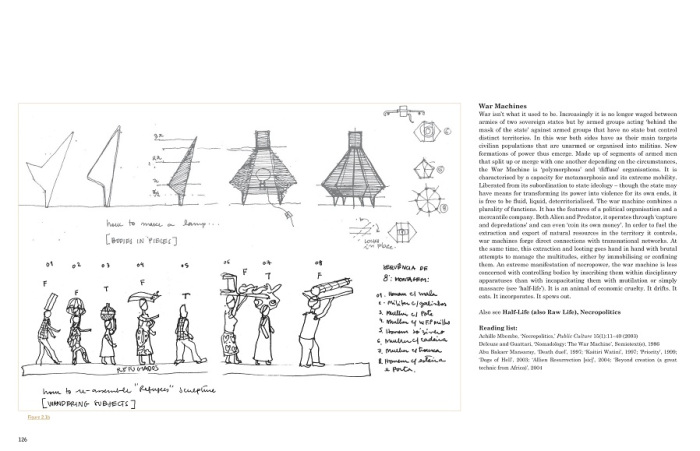
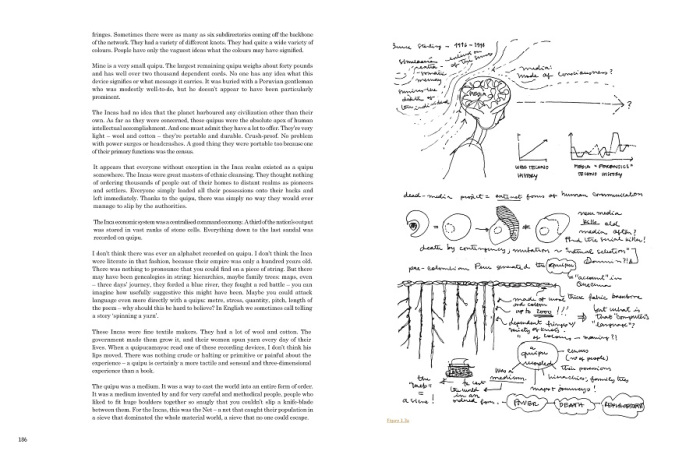
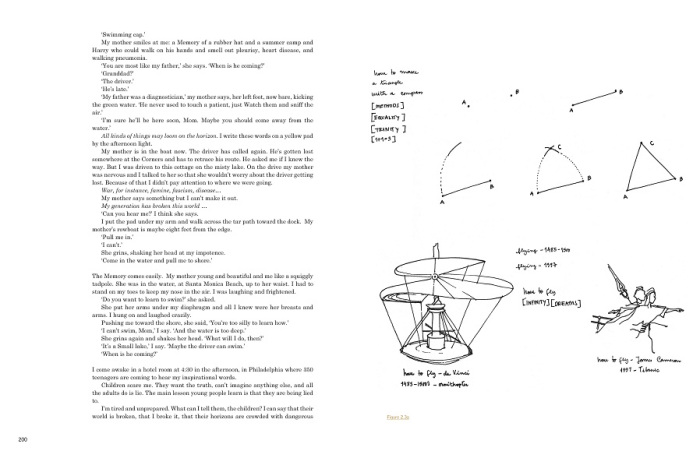
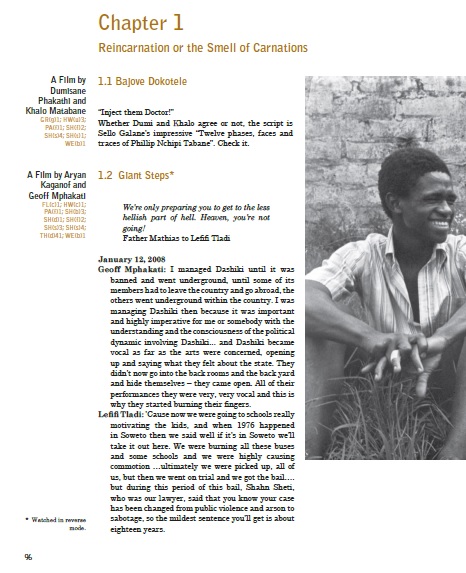
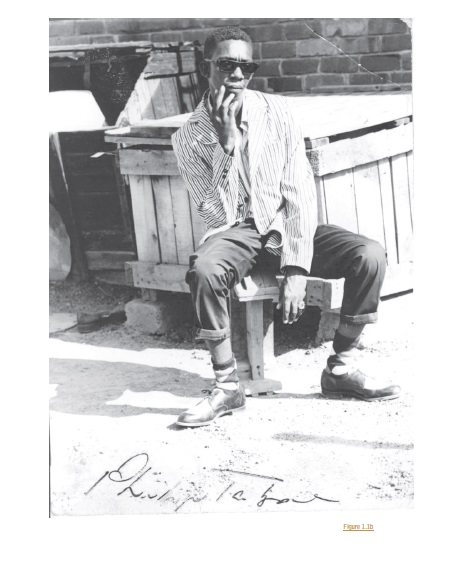


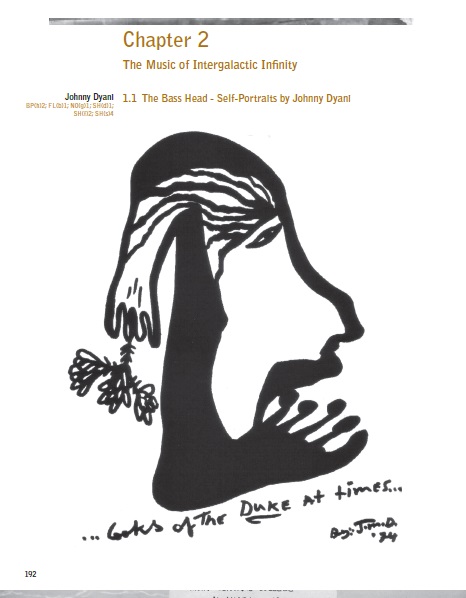
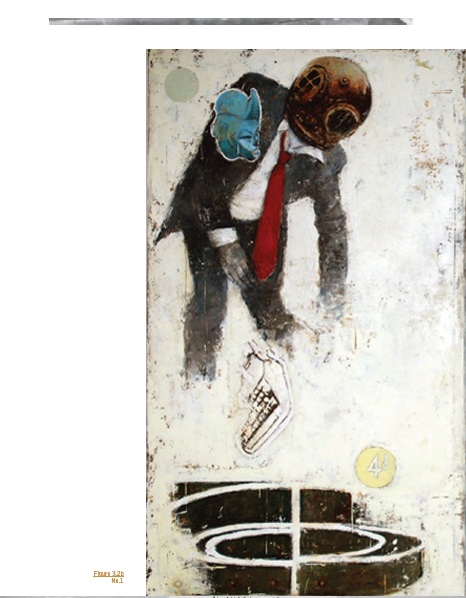
Inside: Amiri Baraka waxes poetic on the theoretics of Be-Bop; Coco Fusco flips the CIA’s teaching manual for female torturers; Karen Press and Steve Coleman instruct in folk-dancing; Dambudzo Marechera proposes a “guide to the earth”; Dominique Malaquais designs the museum we won’t build; through self-portraits Phillip Tabane and Johnny Dyani offer method to the Skanga (black music family); and Winston Mankunku refuses to teach.
Other contributors include Binyavanga Wainaina, Akin Adesokan, Isoje Chou, Sean O’Toole, Pradid Krishen, E.C. Osundu, Salim Washington, Sefi Atta, Ed Pavlic, Neo Muyanga, Henri-Michel Yere, Medu Arts Ensemble, Aryan Kaganof, Khulile Nxumalo and Walter Mosley amongst others. Cover by Johnny “Mbizo” Dyani.
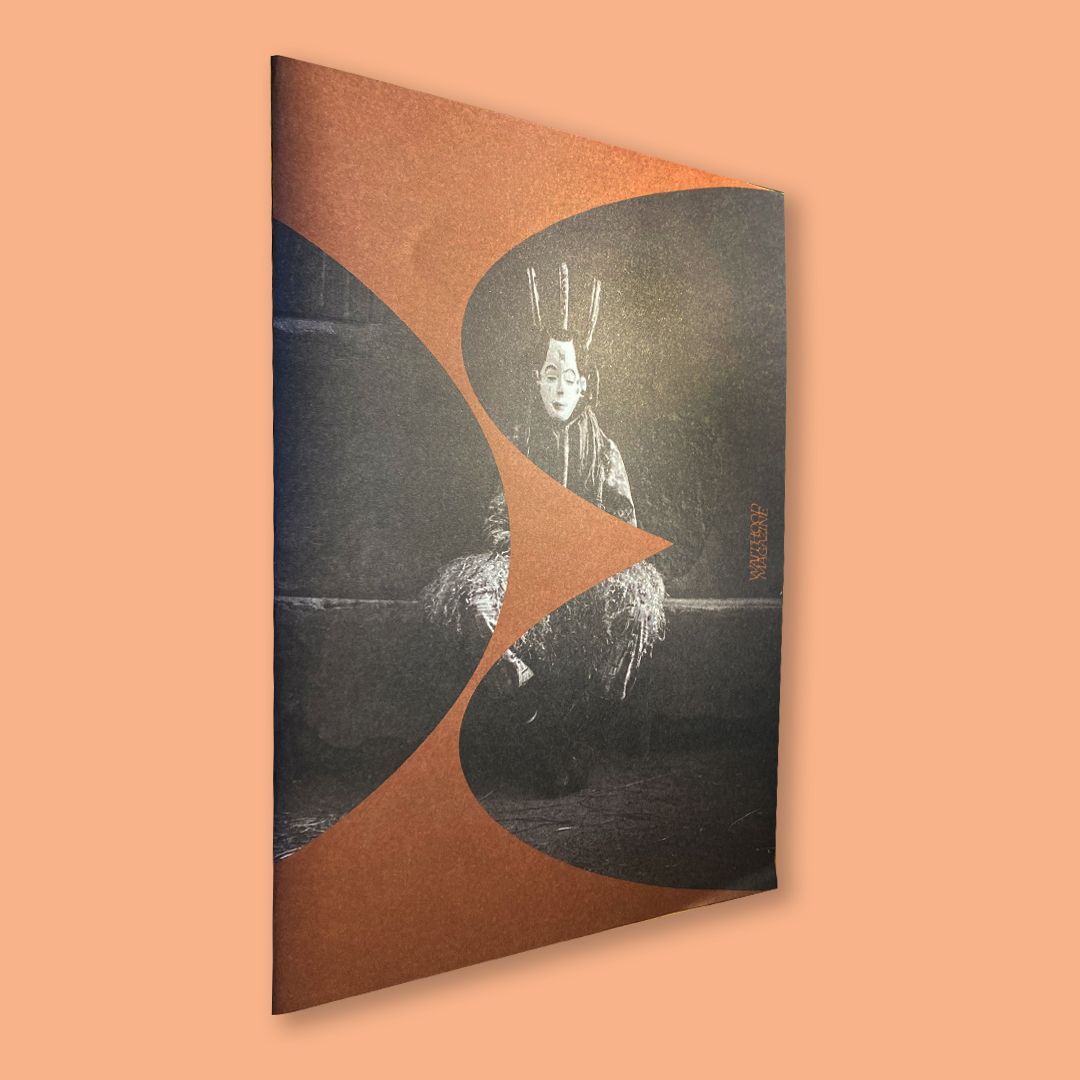
WAITHOOD Magazine explores the intersection between contemporary art, the urban landscape, and the youth experience, interpreting exhibition making and publishing as exciting formats of putting these interests into practice.
The first issue presents an avenue through which Black artists, writers and makers imagine futures otherwise and do the required labour to muster a real, living and ever-present black vernacular which is ancient, young, queer and on the move!
Departing from initial investments in understanding the present conditions black artists are expected to thrive, the magazine project adopts a contextualizing tone, in that it takes advantage of a critical approach to notions of time (linear and sequential), offering multiple readings of the present condition, considering not only distorted notion of past but also the role of silences, memory and nostalgia on imagining futures otherwise.
Dwelling in most of the cases with the inherited settler colonial infrastructures, the magazine offers a counter reading of the ‘worlding,’ reducing all kinds of normalizations as a mere product of a white imagination that can be grasped in the concept of modernity.
With contributions from - Ana Raquel Machava, Pauline Buhlebenkosi Ndhlovu, Nombuso Mathibela, Neec Nonso, Lolo Arziki, Usher Nyambi, Marilú Mapengo Namoda, Chonga Pessana, Clio Koopman, Johnson Nhacula, Ildefonso Colaço, Onyinye Alheri, Banji Chona, Jean-Claude Nazarii
-------------------------------