
What could the curriculum be – if it was designed by the people who dropped out of school so that they could breathe? The latest issue of Chimurenga provides alternatives to prevailing educational pedagogy. Through fiction, essays, interviews, poetry, photography and art, contributors examine and redefine rigid notions of essential knowledge.
Presented in the form of a textbook, Chimurenga 15 simultaneously mimics the structure while gutting it. All entries are regrouped under subjects such as body parts, language, grace, worship and news (from the other side), numbers, parents, police and many more. Through a classification system that is both linear and thematic, the textbook offers multiple entry points into a curriculum that focuses on the un-teachable and values un-learning as much as it’s opposite.
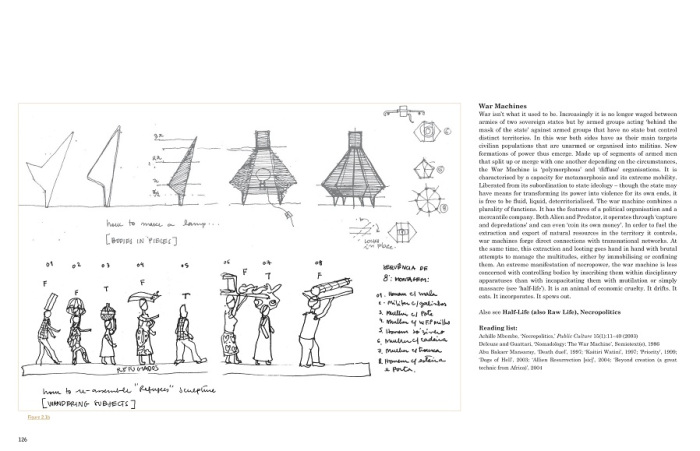
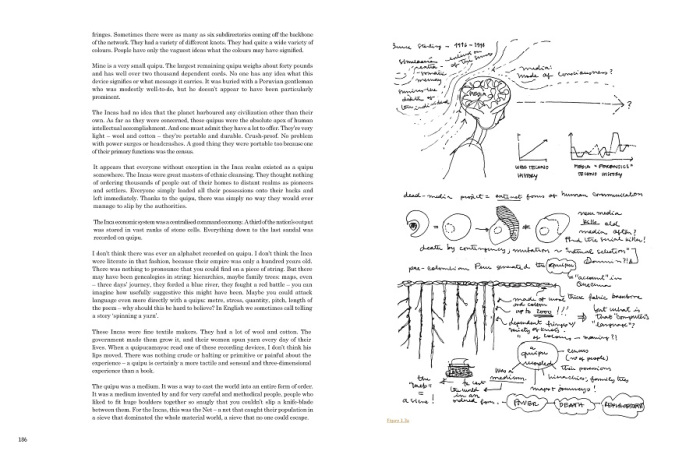
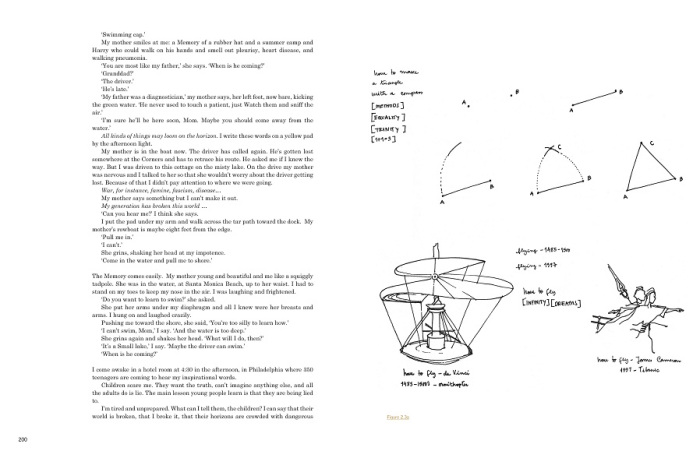
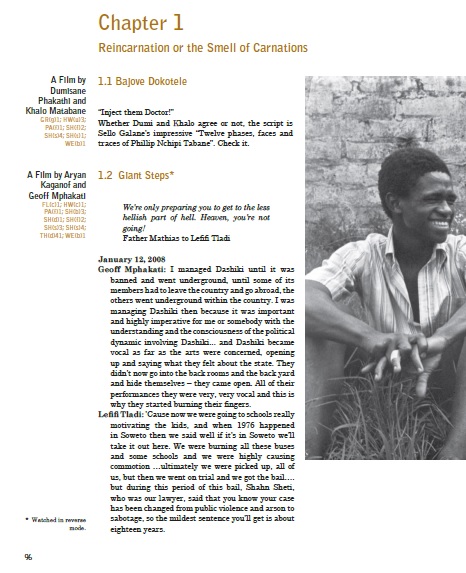
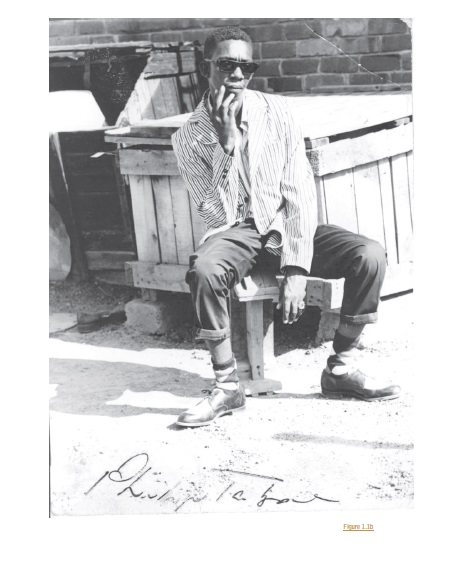


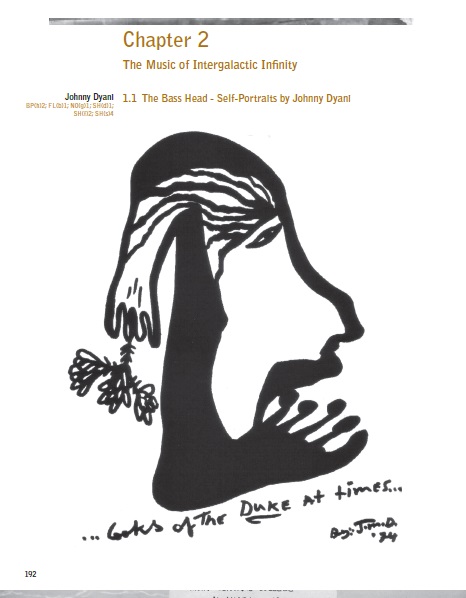
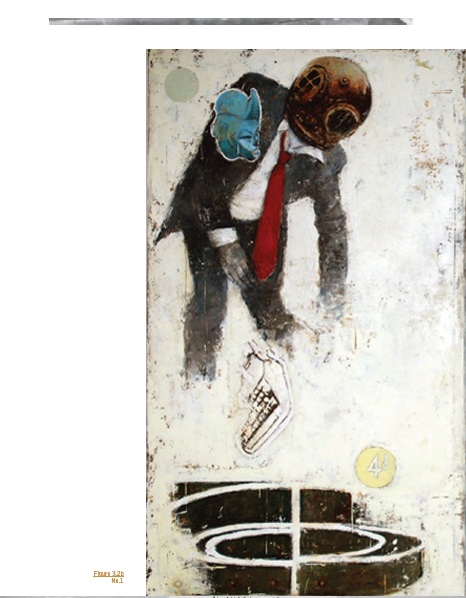
Inside: Amiri Baraka waxes poetic on the theoretics of Be-Bop; Coco Fusco flips the CIA’s teaching manual for female torturers; Karen Press and Steve Coleman instruct in folk-dancing; Dambudzo Marechera proposes a “guide to the earth”; Dominique Malaquais designs the museum we won’t build; through self-portraits Phillip Tabane and Johnny Dyani offer method to the Skanga (black music family); and Winston Mankunku refuses to teach.
Other contributors include Binyavanga Wainaina, Akin Adesokan, Isoje Chou, Sean O’Toole, Pradid Krishen, E.C. Osundu, Salim Washington, Sefi Atta, Ed Pavlic, Neo Muyanga, Henri-Michel Yere, Medu Arts Ensemble, Aryan Kaganof, Khulile Nxumalo and Walter Mosley amongst others. Cover by Johnny “Mbizo” Dyani.
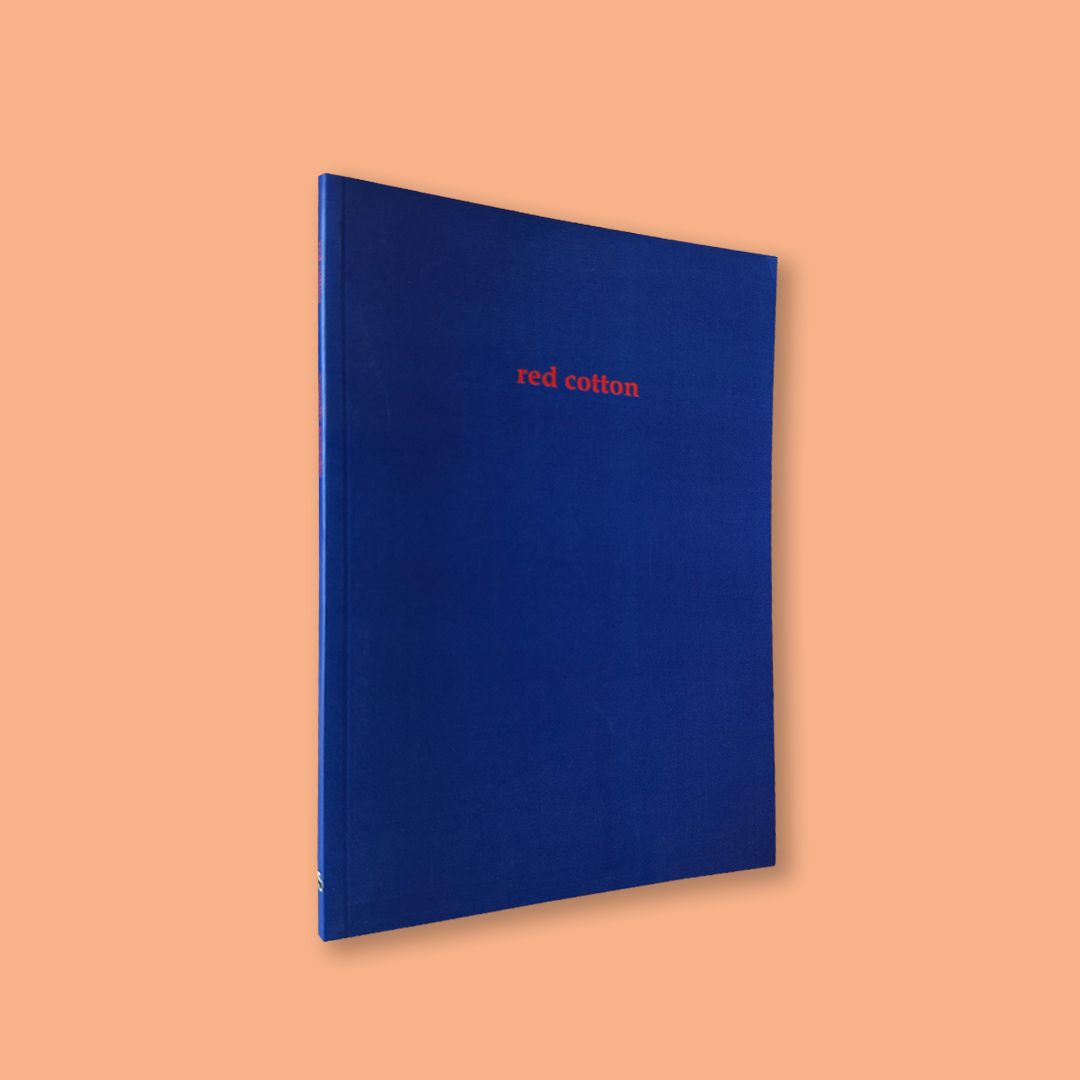
red cotton is an exploration of what it means to be black, queer, and woman in modern-day South Africa. gantsho interrogates being non-conformist in both a traditional-cultural-religious upbringing and a more liberal yet equally-oppressive urban socialisation.
This poetry novella questions what women are taught about their bodies and the feminine sexual space, while also addressing the mother-daughter relationship as the first and most constant reference of womanhood. The collection moves fluidly between the erotic, the uncomfortable and grotesque. What is painful and what is beautiful? What is remembered and what is longed-for?