
What could the curriculum be – if it was designed by the people who dropped out of school so that they could breathe? The latest issue of Chimurenga provides alternatives to prevailing educational pedagogy. Through fiction, essays, interviews, poetry, photography and art, contributors examine and redefine rigid notions of essential knowledge.
Presented in the form of a textbook, Chimurenga 15 simultaneously mimics the structure while gutting it. All entries are regrouped under subjects such as body parts, language, grace, worship and news (from the other side), numbers, parents, police and many more. Through a classification system that is both linear and thematic, the textbook offers multiple entry points into a curriculum that focuses on the un-teachable and values un-learning as much as it’s opposite.
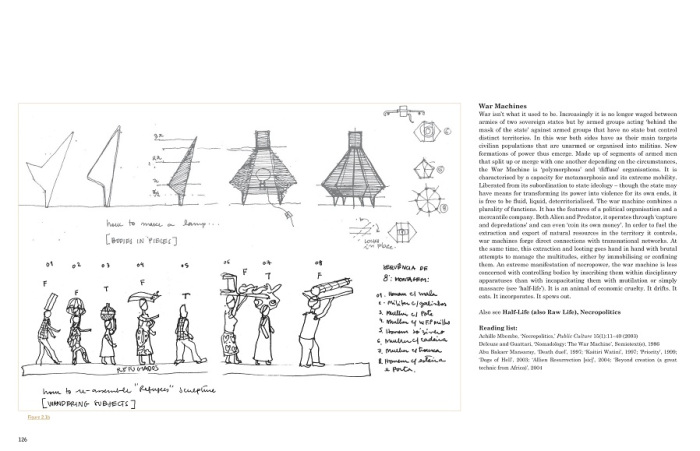
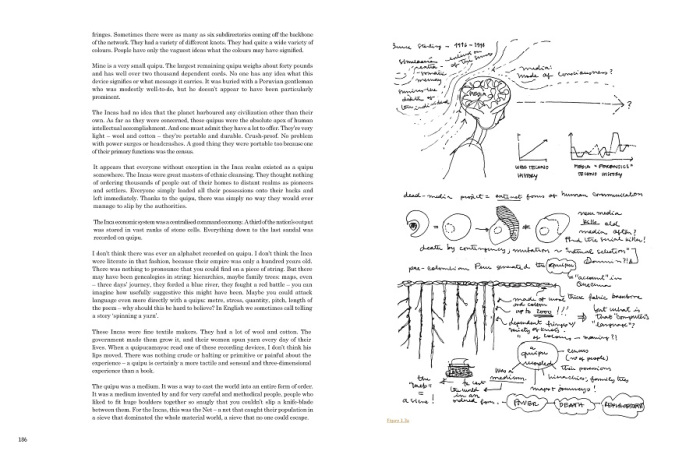
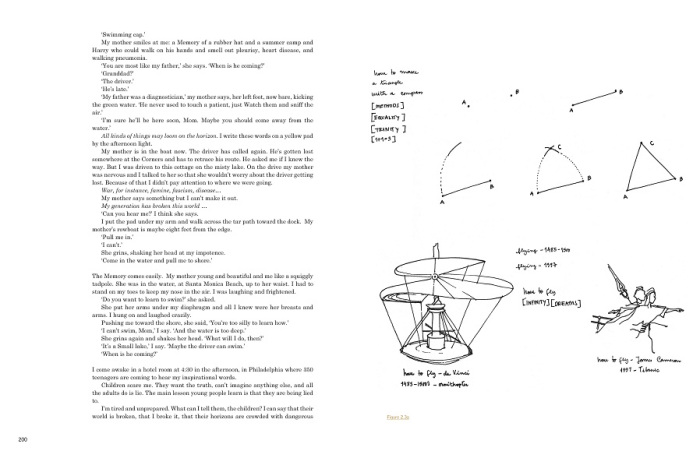
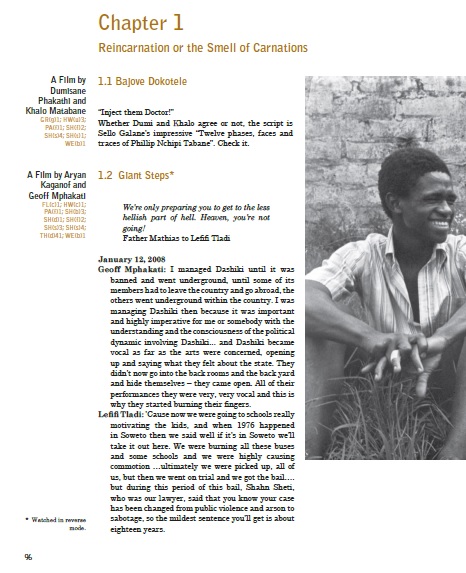
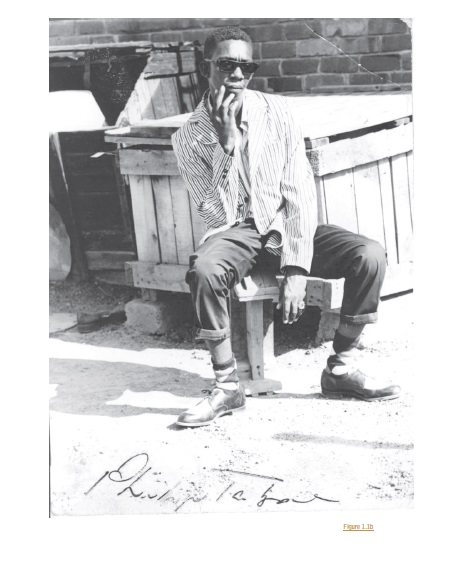


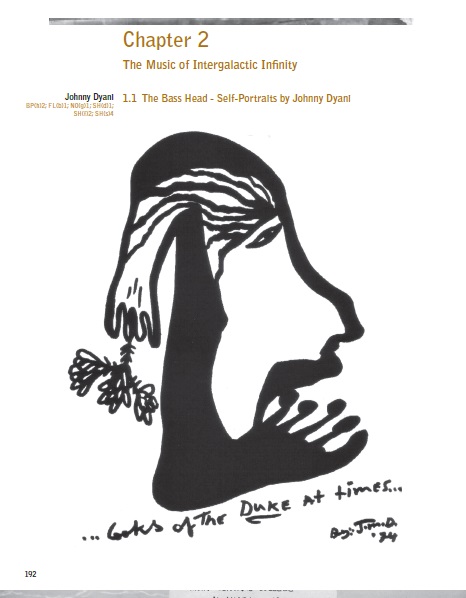
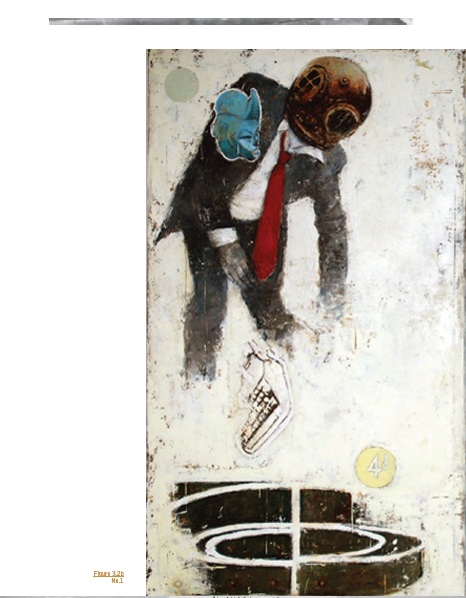
Inside: Amiri Baraka waxes poetic on the theoretics of Be-Bop; Coco Fusco flips the CIA’s teaching manual for female torturers; Karen Press and Steve Coleman instruct in folk-dancing; Dambudzo Marechera proposes a “guide to the earth”; Dominique Malaquais designs the museum we won’t build; through self-portraits Phillip Tabane and Johnny Dyani offer method to the Skanga (black music family); and Winston Mankunku refuses to teach.
Other contributors include Binyavanga Wainaina, Akin Adesokan, Isoje Chou, Sean O’Toole, Pradid Krishen, E.C. Osundu, Salim Washington, Sefi Atta, Ed Pavlic, Neo Muyanga, Henri-Michel Yere, Medu Arts Ensemble, Aryan Kaganof, Khulile Nxumalo and Walter Mosley amongst others. Cover by Johnny “Mbizo” Dyani.
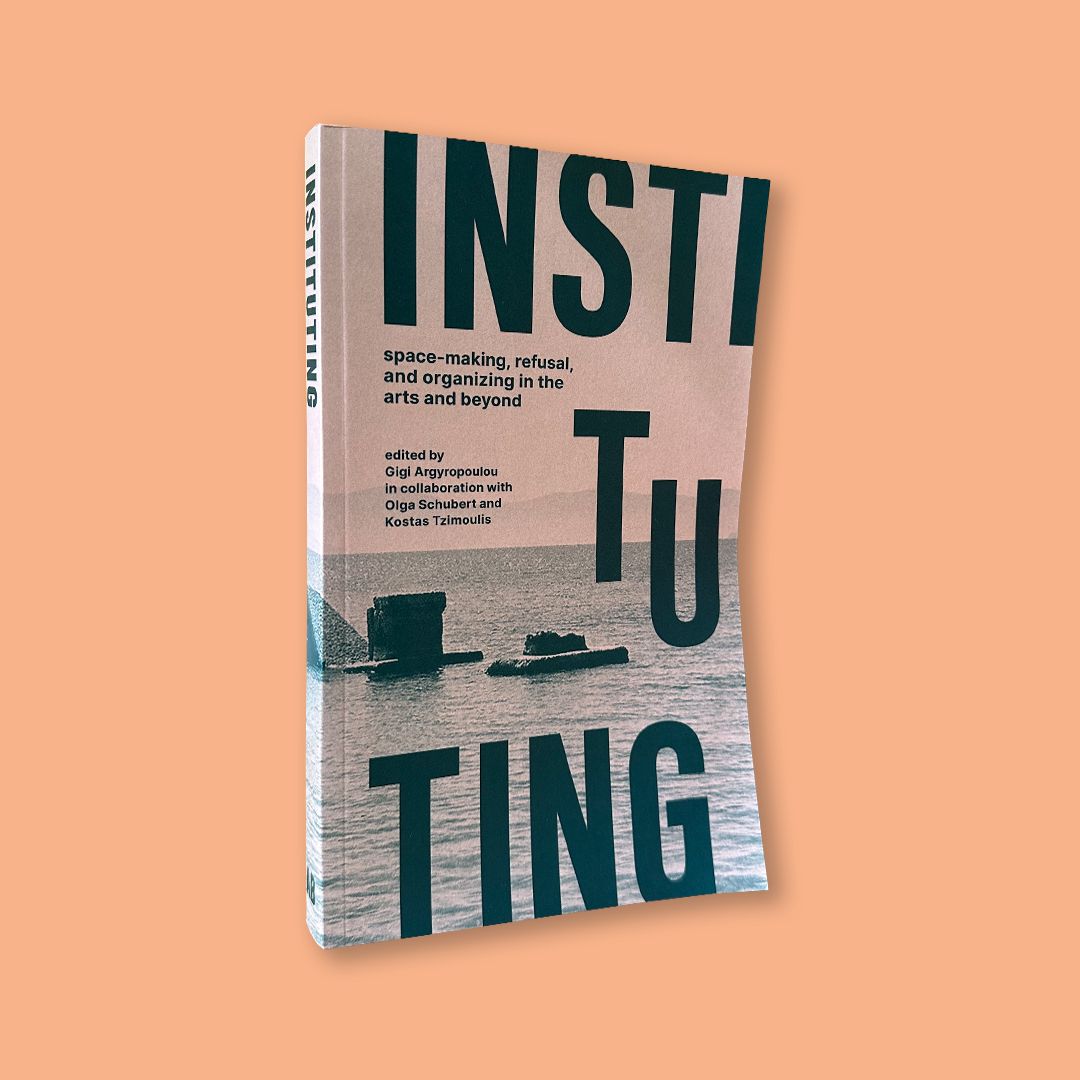
This publication seeks to continue previous trans- formative moments, movements, and encounters, as a call for new densities through visible and invisible plottings. Editorials tend to focus on the work that is going to follow that comprises a complete volume on the subject. However, this edition cannot but start by acknowledging dependencies, connections, and thus its incompleteness as it is pointing towards potential constellations of practice. Engaging with ongoing questions of possible infrastructures in situations of brokenness—as Lauren Berlant notes in the opening quote—this volume brings together practices, ways of being together, of both fleeing and inhabiting spaces. Stefano Harney and Fred Moten propose “commitment to the impermanence of form because form is to be used, like an everyday thing” and that by using it you “deform it . . . acceding to and enacting its transformation, in and for the everyday.” In this publication, instituting is discussed as a continuous process that is integral to the everyday, making and tearing apart, using and deforming. In a sense, this book hopes to function as an infrastructure for use. An incomplete composition that has already started in many places.