
What could the curriculum be – if it was designed by the people who dropped out of school so that they could breathe? The latest issue of Chimurenga provides alternatives to prevailing educational pedagogy. Through fiction, essays, interviews, poetry, photography and art, contributors examine and redefine rigid notions of essential knowledge.
Presented in the form of a textbook, Chimurenga 15 simultaneously mimics the structure while gutting it. All entries are regrouped under subjects such as body parts, language, grace, worship and news (from the other side), numbers, parents, police and many more. Through a classification system that is both linear and thematic, the textbook offers multiple entry points into a curriculum that focuses on the un-teachable and values un-learning as much as it’s opposite.
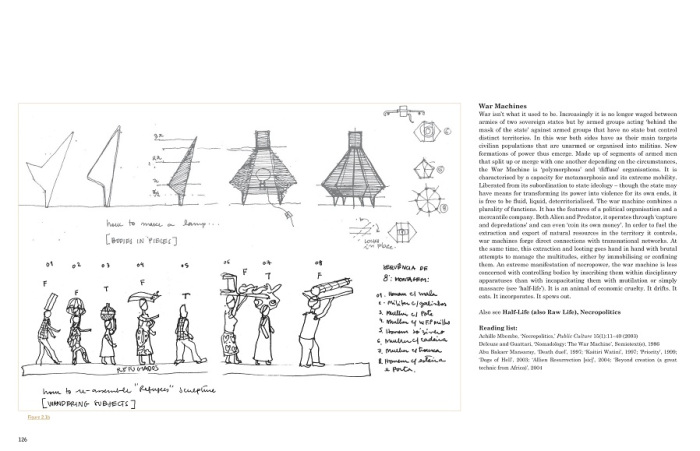
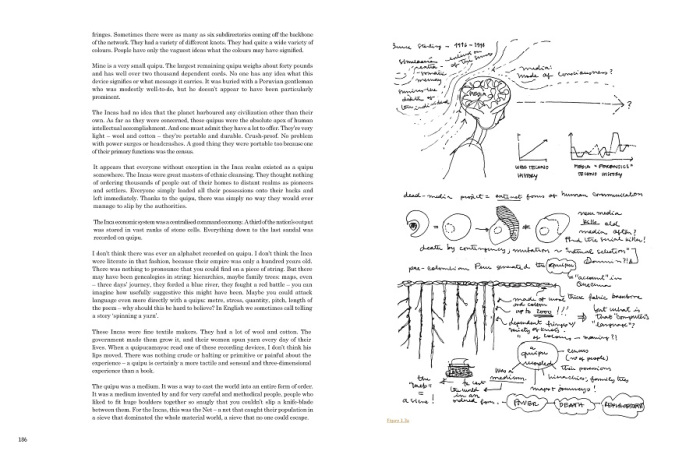
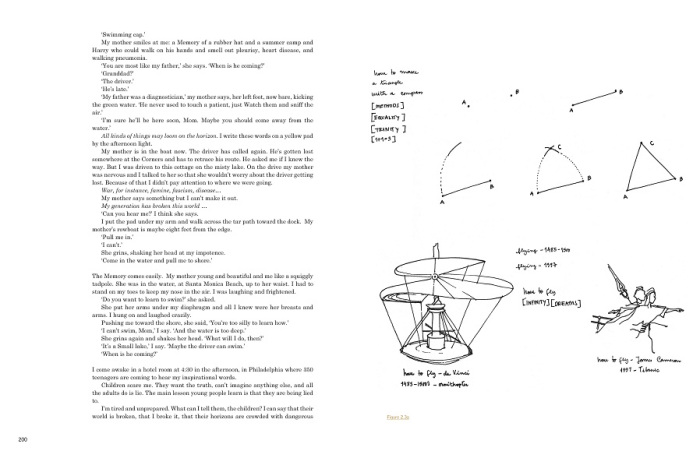
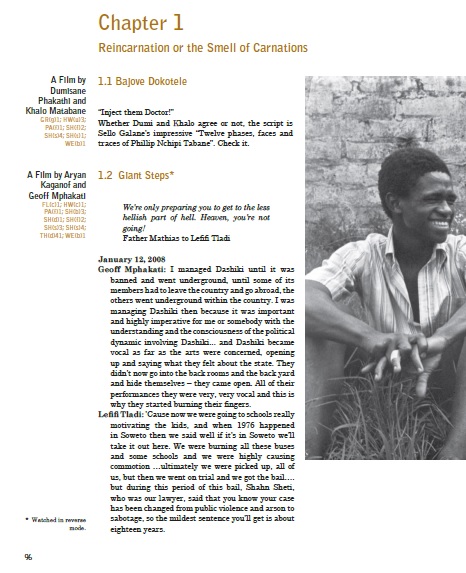
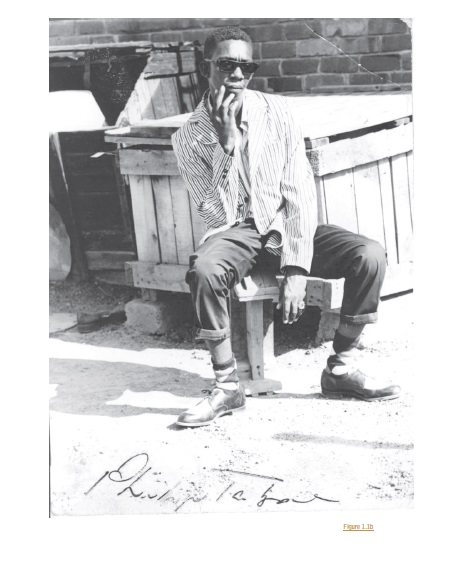


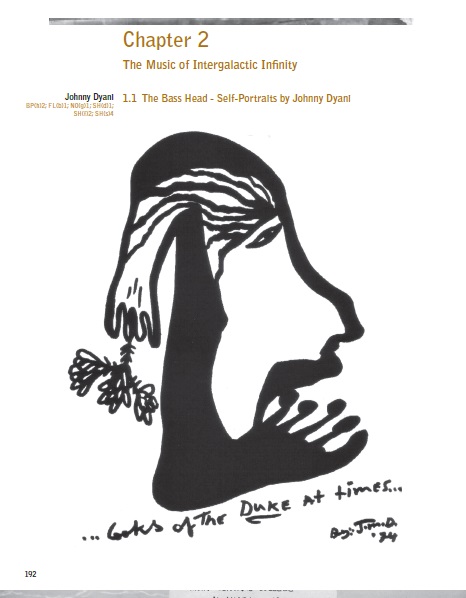
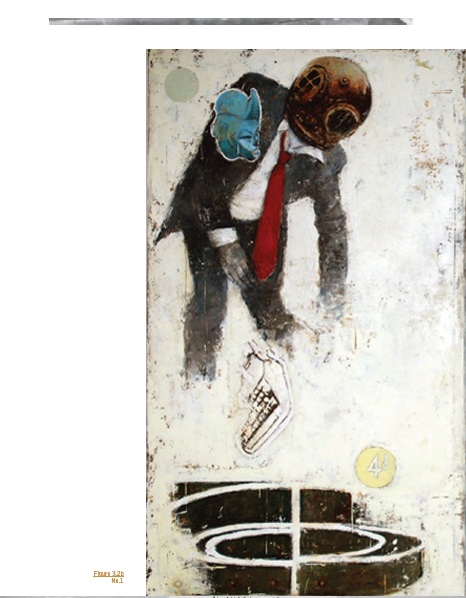
Inside: Amiri Baraka waxes poetic on the theoretics of Be-Bop; Coco Fusco flips the CIA’s teaching manual for female torturers; Karen Press and Steve Coleman instruct in folk-dancing; Dambudzo Marechera proposes a “guide to the earth”; Dominique Malaquais designs the museum we won’t build; through self-portraits Phillip Tabane and Johnny Dyani offer method to the Skanga (black music family); and Winston Mankunku refuses to teach.
Other contributors include Binyavanga Wainaina, Akin Adesokan, Isoje Chou, Sean O’Toole, Pradid Krishen, E.C. Osundu, Salim Washington, Sefi Atta, Ed Pavlic, Neo Muyanga, Henri-Michel Yere, Medu Arts Ensemble, Aryan Kaganof, Khulile Nxumalo and Walter Mosley amongst others. Cover by Johnny “Mbizo” Dyani.
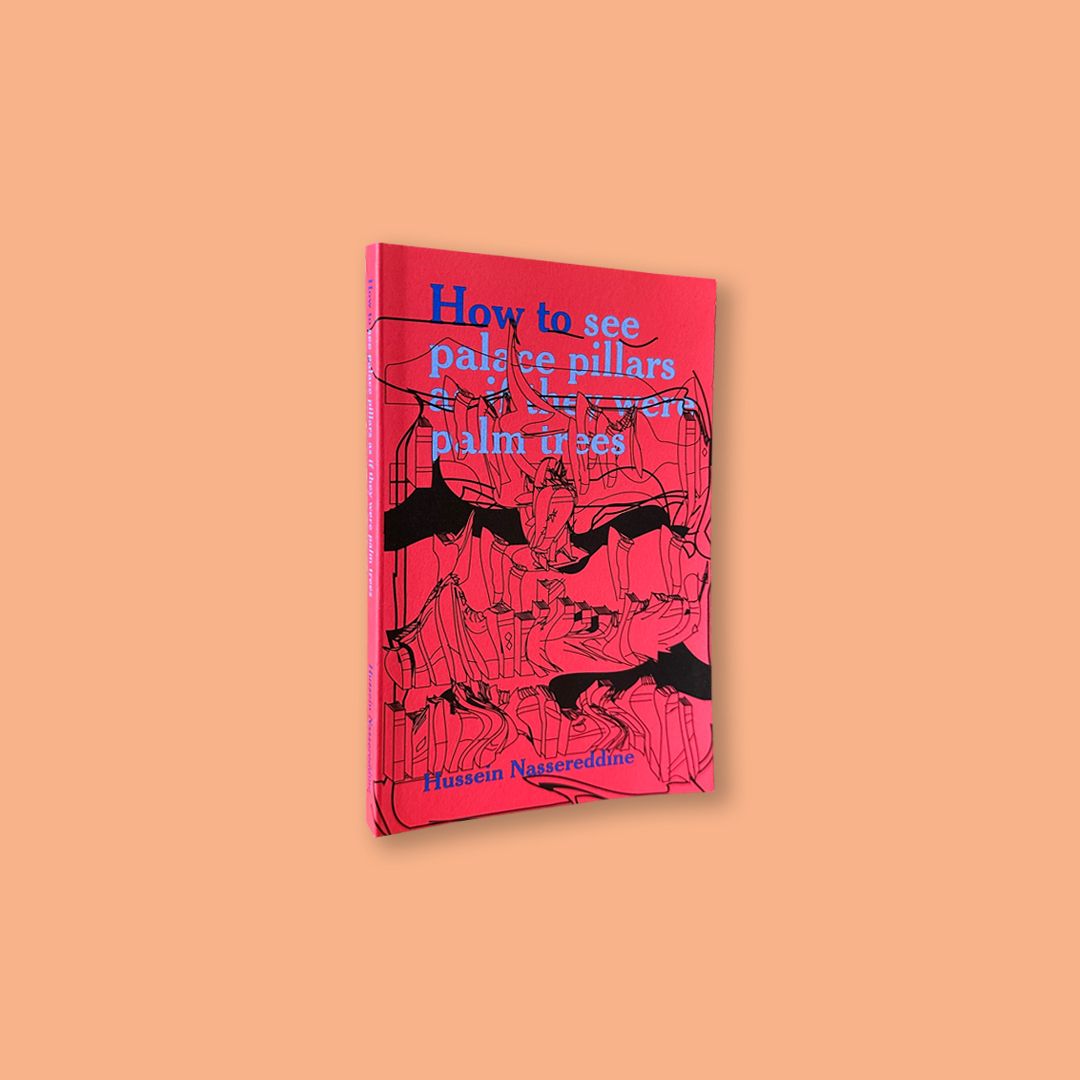
For so it happens that when the poets speak, objects appear closer to their own shadows. The poet’s mouth fills up with horses and marble, and his verses start to shine like rivers. These rivers then turn back to flow through the very palace he is depicting. The poet’s own words begin to weigh down on him, as though he were holding up a palace with his palms. Then he travels, and the palace is obliterated. Countries and nations change, and naught remains but what the poets had seen. Of what the poets had seen, naught remains but what people believed, and of that too nothing remains but its image in anthologies. And when the libraries have been flooded or burned to the ground, nothing but the commentaries on those anthologies are left, and all that one finds in these commentaries is that which was appropriated and wrought a thousand times over.