
What could the curriculum be – if it was designed by the people who dropped out of school so that they could breathe? The latest issue of Chimurenga provides alternatives to prevailing educational pedagogy. Through fiction, essays, interviews, poetry, photography and art, contributors examine and redefine rigid notions of essential knowledge.
Presented in the form of a textbook, Chimurenga 15 simultaneously mimics the structure while gutting it. All entries are regrouped under subjects such as body parts, language, grace, worship and news (from the other side), numbers, parents, police and many more. Through a classification system that is both linear and thematic, the textbook offers multiple entry points into a curriculum that focuses on the un-teachable and values un-learning as much as it’s opposite.
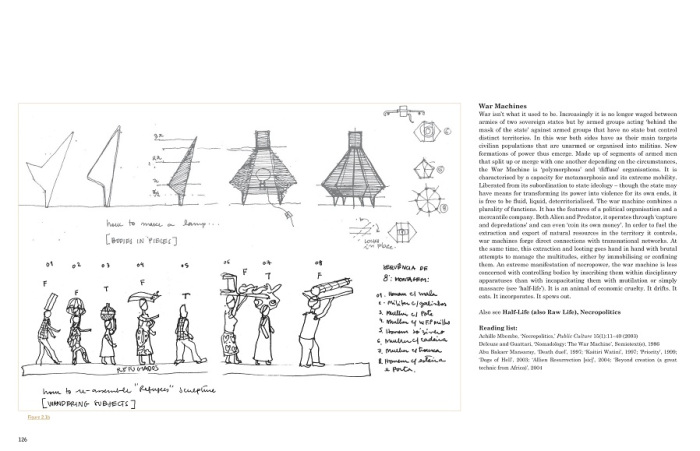
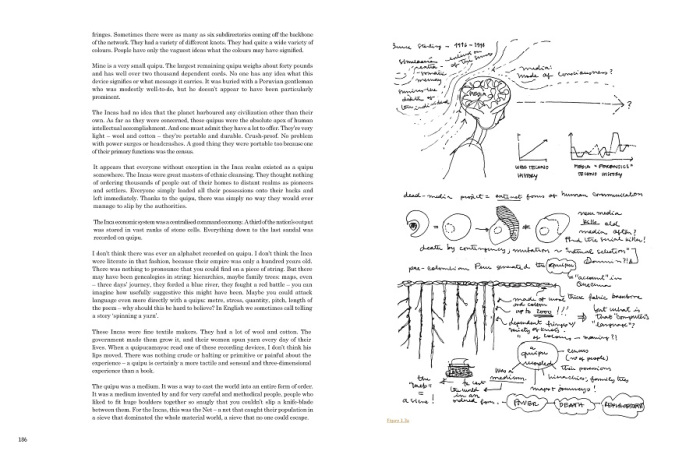
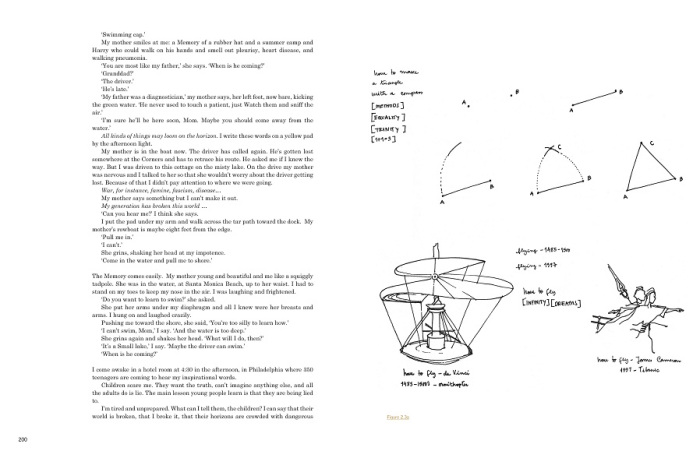
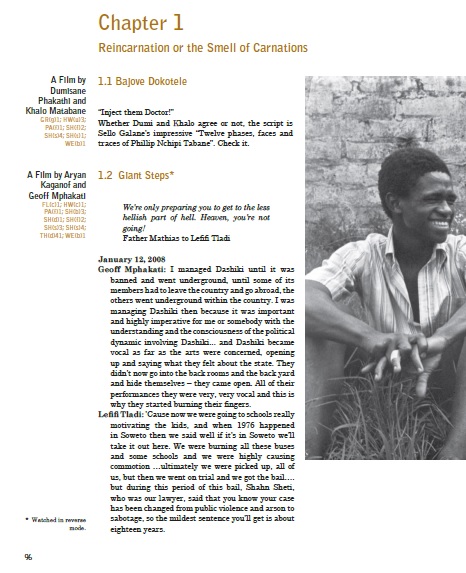
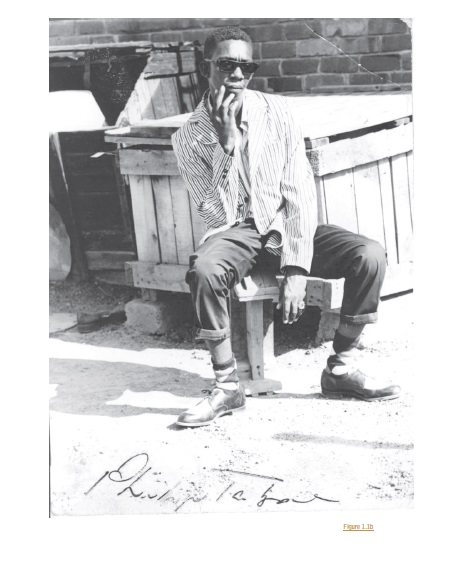


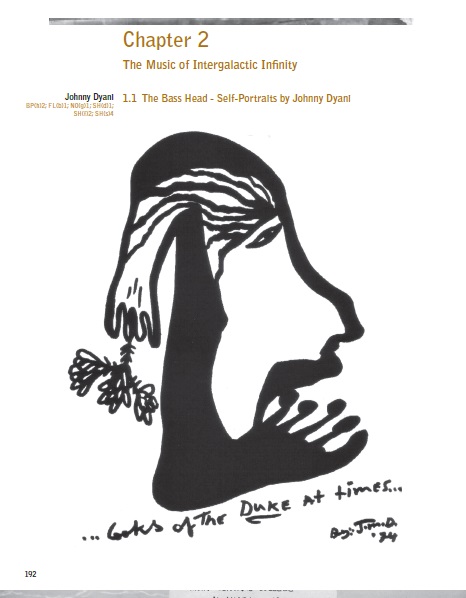
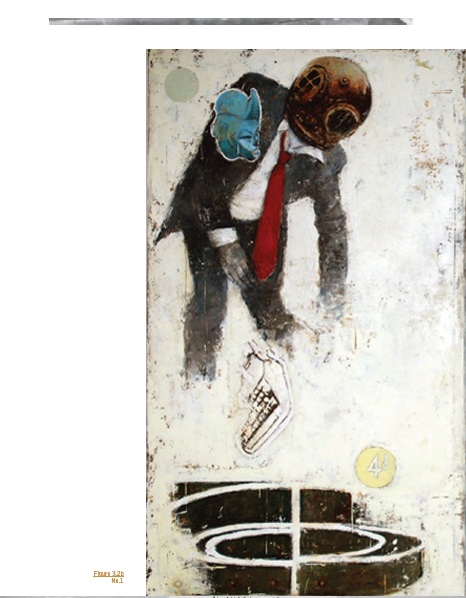
Inside: Amiri Baraka waxes poetic on the theoretics of Be-Bop; Coco Fusco flips the CIA’s teaching manual for female torturers; Karen Press and Steve Coleman instruct in folk-dancing; Dambudzo Marechera proposes a “guide to the earth”; Dominique Malaquais designs the museum we won’t build; through self-portraits Phillip Tabane and Johnny Dyani offer method to the Skanga (black music family); and Winston Mankunku refuses to teach.
Other contributors include Binyavanga Wainaina, Akin Adesokan, Isoje Chou, Sean O’Toole, Pradid Krishen, E.C. Osundu, Salim Washington, Sefi Atta, Ed Pavlic, Neo Muyanga, Henri-Michel Yere, Medu Arts Ensemble, Aryan Kaganof, Khulile Nxumalo and Walter Mosley amongst others. Cover by Johnny “Mbizo” Dyani.
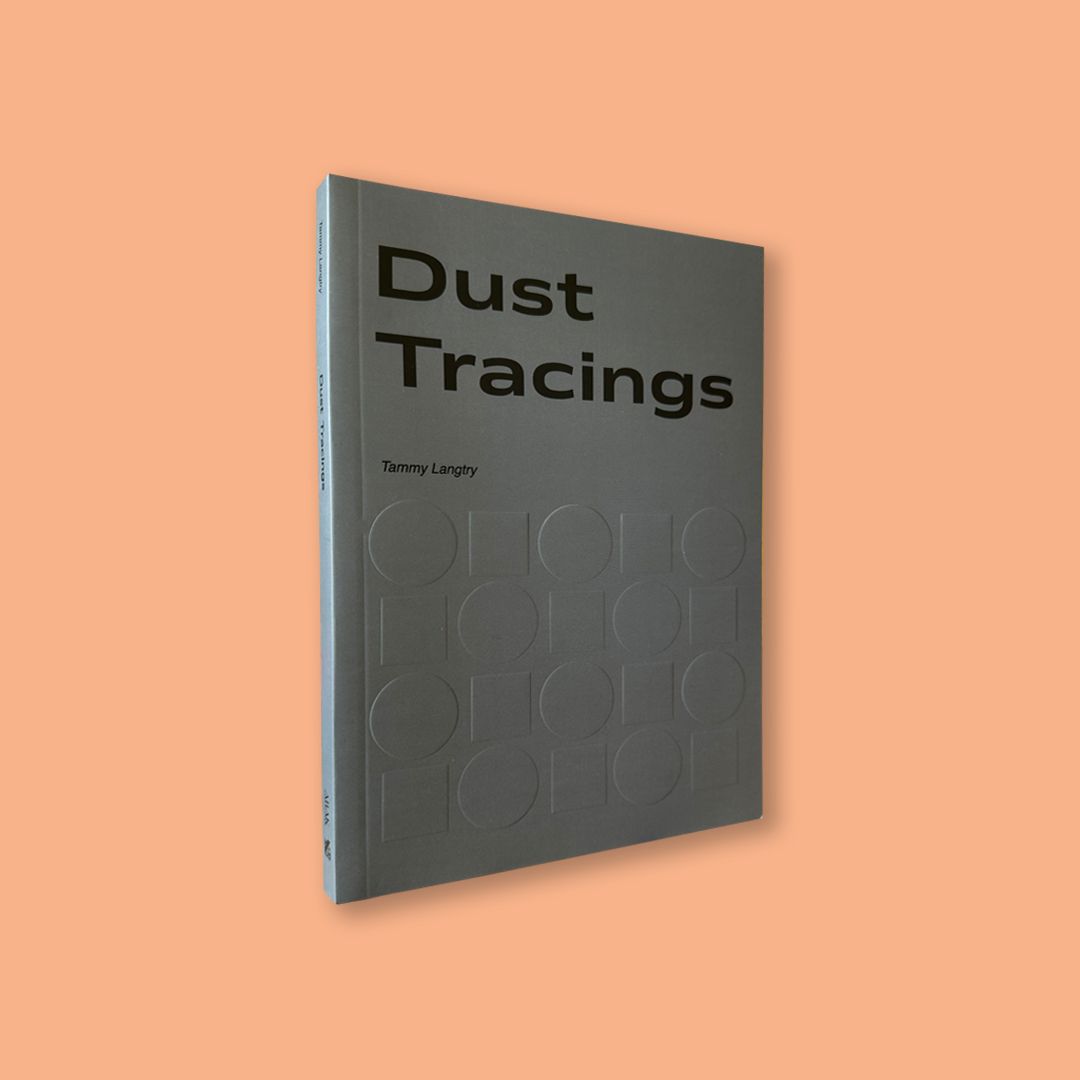
Dust Tracings is an publication by 2024 ARAK Curatorial Fellow Tammy Langtry which follows the encounters and paths of ten artists selected from the ARAK Collection, with exploratory texts on five of the artists.
This title, Dust Tracings, refers to the often seismic and settled forms of history, which are shaken with each action and step, as a measure of presence and its responses: to walk, water, frequent, traverse and interfere.
In this study of a selection of artists’ work, we zoom into what Langtry suggests as a symptomatic weather condition, dust—an environmental condition which is ever present, from historical periods of severe ecological degradation to our ancestors kicking up dust, and the transitions taking us all back into dust.
Dust Tracings straddles geographies, timelines and references, bringing together the social history of five states: Angola, Namibia, Botswana, South Africa and Zimbabwe. The related artworks, selected from the ARAK Collection, play the role of archiving, presenting and scribing notions of ‘dust’.
This is done through the art of Thebe Phetogo, Helena Uambembe, Isheanesu Dondo, Durant Sihali, Tuli Mekondjo, Samson Mnisi, Senzeni Marasela, Amos Langdown, Nelo Teixera and Rudolf Seibeb.