
CHIMURENGA LIBRARY
Samori is a long-term inquiry into the political, artistic and epistemological implications of Ousmane Sembène’s unrealised film on Samori Touré, a major historical figure of anti-colonial resistance whose story remains deeply rooted in collective memory throughout West Africa.
Chimurenga reads Sembène’s film project on Samori Touré as a milestone in Pan African thought and practice, and a unique example of rewriting the history of Africa’s resistance to colonisation; an attempt at counter-cartographic and historiographic narration that unsettles the chronological and territorial frames established by the 1884-85 Berlin Conference.
Even though the project could not be completed during Sembene’s lifetime, it provides an important platform to investigate questions such as the forms required to tell African history, especially our histories of resistance; the possibility to reproduce territory through storytelling, territories erased by colonialism; and, crucially, the means required for collective self-actualisation by African peoples.
Indeed, Sembène’s film project is part of what Chimurenga calls “The Archive of the Unfinished”: projects that invite us to study “process” more closely because “product” never or hasn’t yet arrived; projects that operate as liberated zones, where an imagination of another world, a decolonised world, can be rehearsed and practiced.
Fittingly, our research takes the form of a roving and evolving installation across the geography Sembène imagined for his film, the old Samorian empire.

Image: Poster of Sembene’s ‘L’Almamy Samori Toure‘
Sembene produced a massive, detailed three tiered script for the unmade film, Samori Toure with directives of the filming to take place in 5 different locations on the continent, each integrally connected to Samori’s West African Wassoulou Empire and the multiple moldings of the histories thereafter.
L’ALMAMY SAMORI TOURE: ACT I – CONAKRY
The intervention began in Conakry on the aesthetic dimensions of Guinea’s Socialist Cultural Revolution wherein Samori became a cypher for the former president of Guinea, Sekou Toure’s nationalisation project. In July of 2025 we held a screening of Moussa Kemoko Diakite’s Hyrde Diama (1970) at Franco-Guinean Cultural Centre (Conakry). A film that documents the first national cultural festival featuring Miriam Makeba, Bembeya Jazz and Sory Kandia Kouyate, among others. The festival was a showcase of the Guinean Socialist Cultural Revolution. The film was accompanied by an in-depth discussion into the role of film in the cultural revolution with Kemoko Diakite and fellow filmmakers Sékoumar Barry and Mohamed Camara (moderated by journalist Fatoumata Sagnane). We continued the fieldwork in Conakry to the National Archives of Guinea to explore the large colonial and national holding of documented literature related to the Samori era.
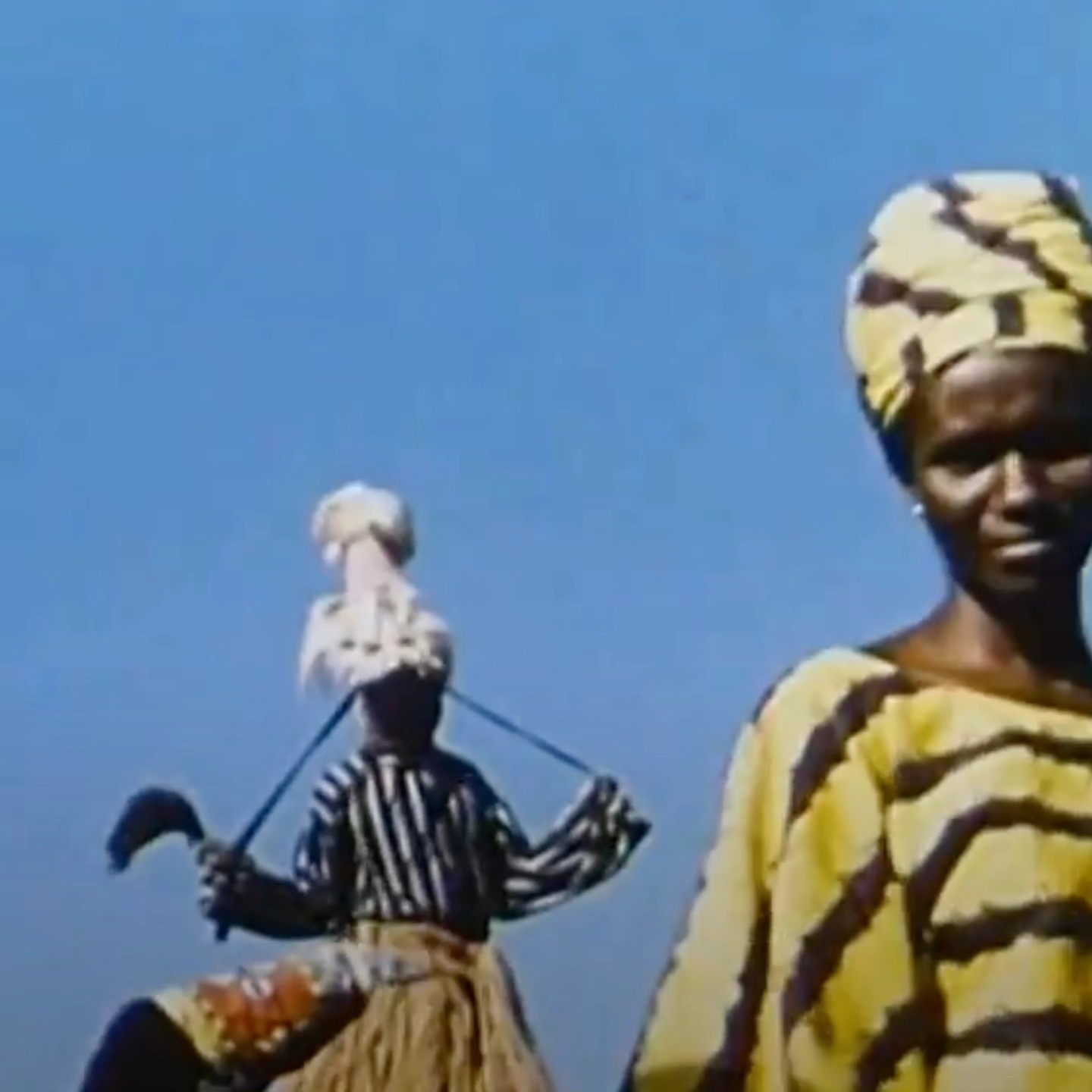
Image: Still from Moussa Kemoko Diakite’s Hyrde Diama (1970)
L’ALMAMY SAMORI TOURE: ACT II – DAKAR
The second instalment brought us to Senegal, this iteration of our research, which takes the form of a bibliographic installation and live broadcasting studio, is a collective reflection on the production of an African historiography through creative practice, including film, music, theatre, visual arts, oral and written literatures, and more. Producing the working library in collaboration with RAW Material Company at their centre in Dakar where we held a week-long gathering bringing writers, artists and historians, to produce new knowledge on Sembene’s historic project. For a detailed program of the broadcast follow here.

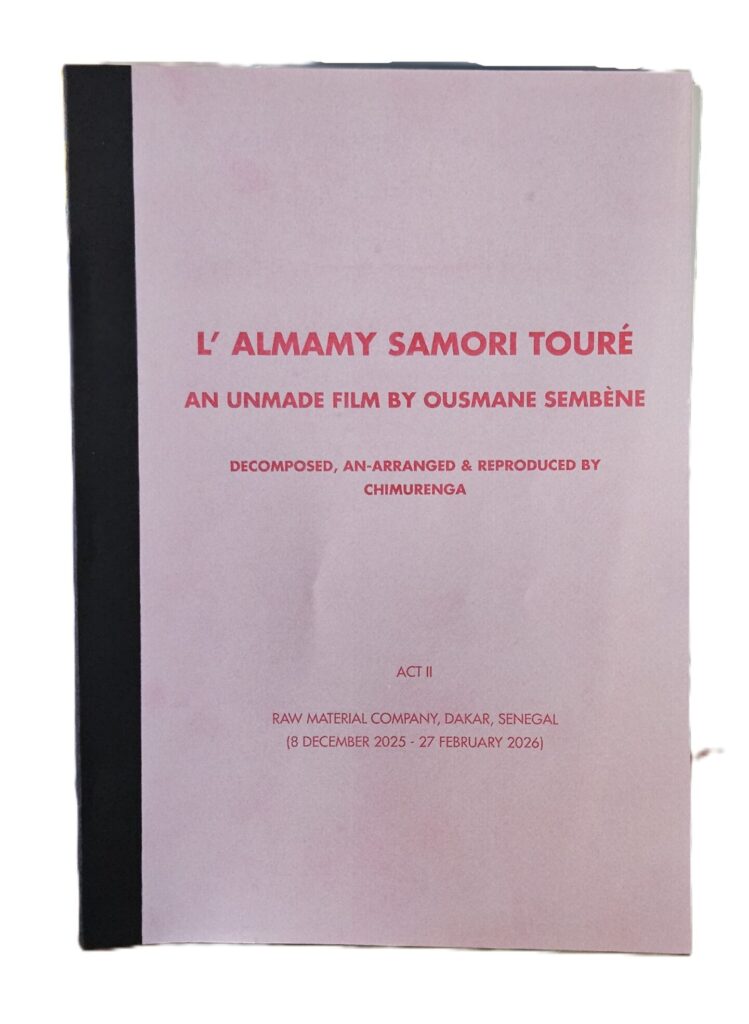
As part of Act II Chimurenga produced a research notebook on the process of investigating Ousmane Sembene’s lifelong, but ultimately unrealised film on Samori Toure.

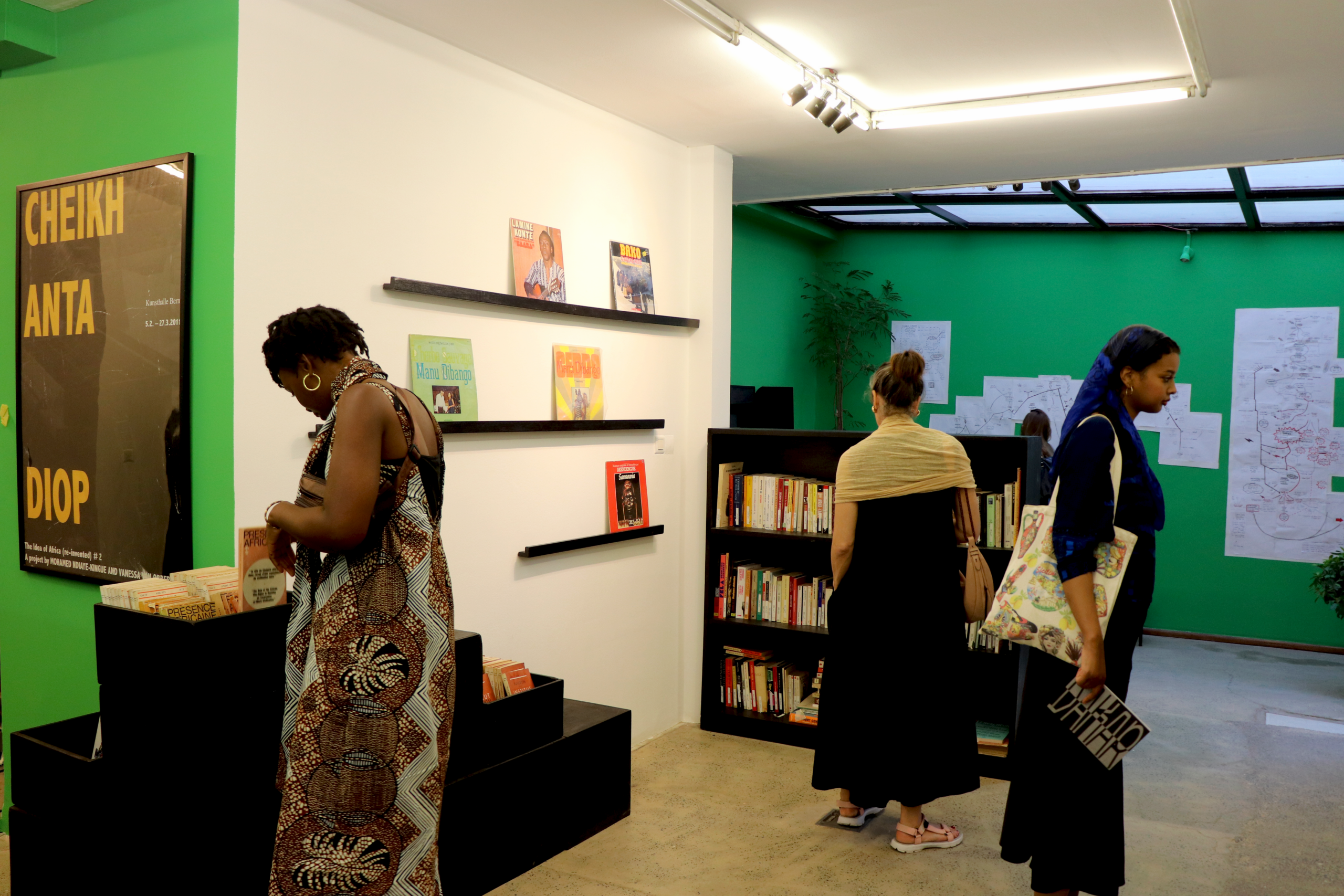
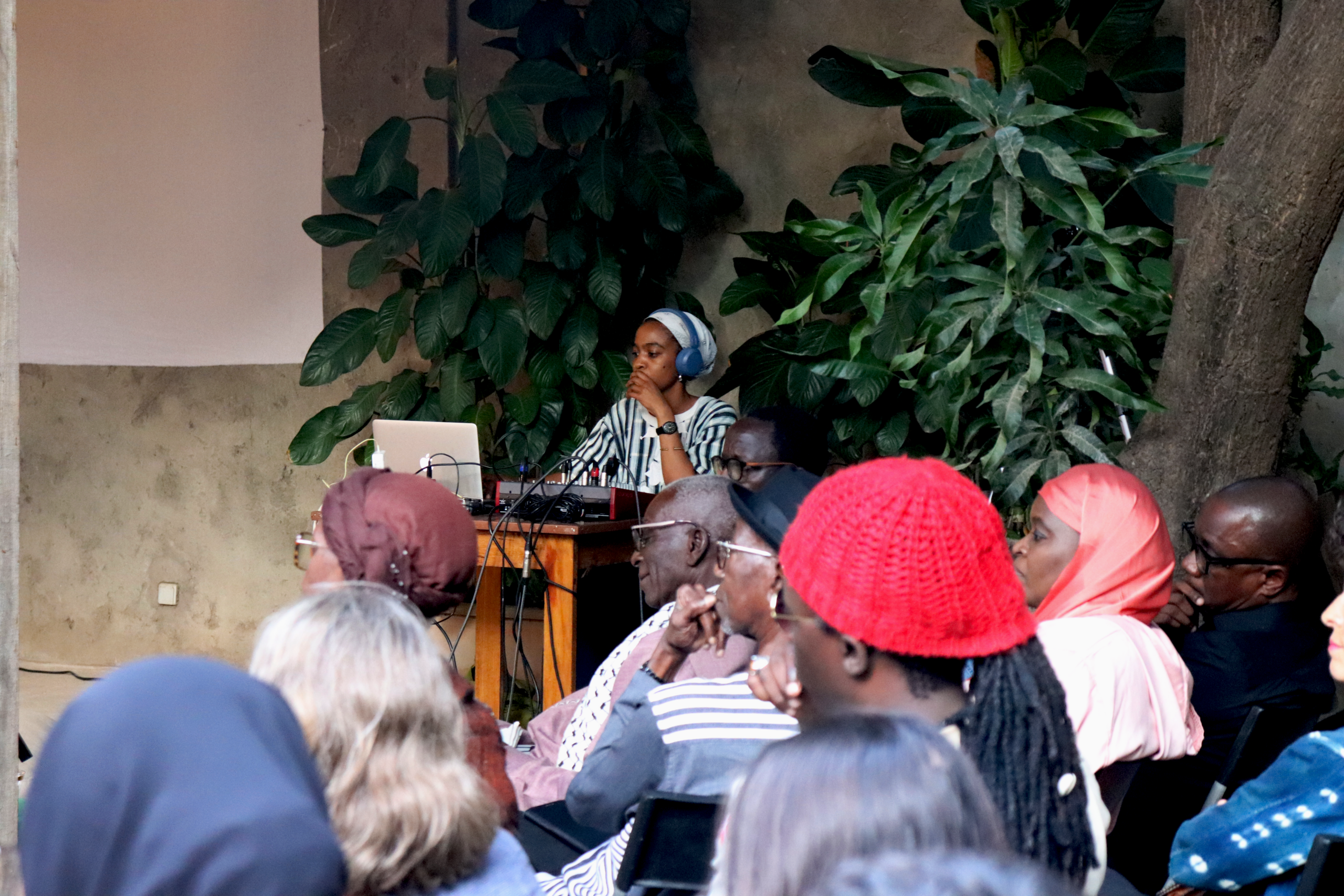
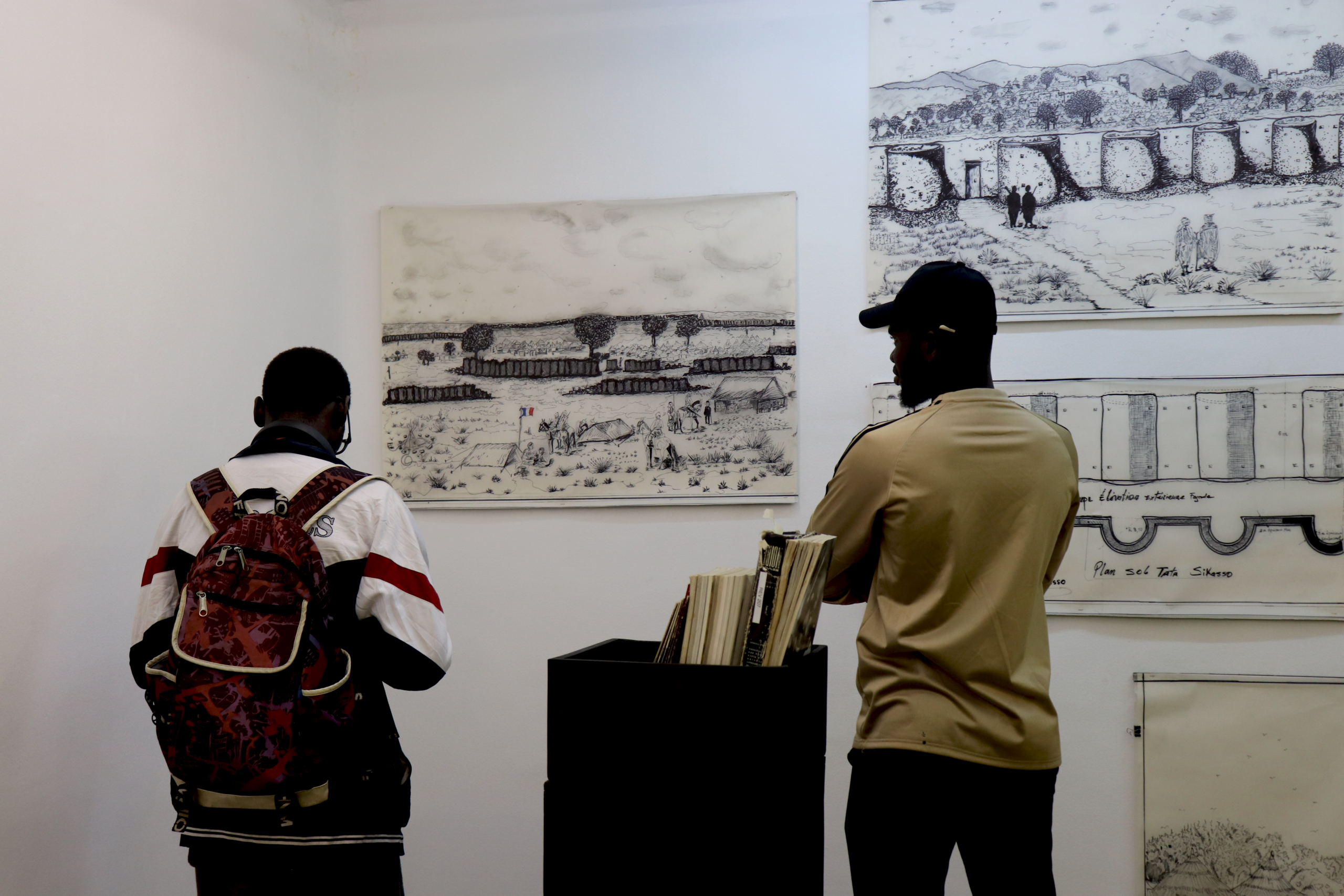

Image Series: Photographs from Chimurenga Library’s ‘L’Almamy Samori Toure: Act II’ with RAW Material Company, Dakar.
L’ALMAMY SAMORI TOURE: LISTEN
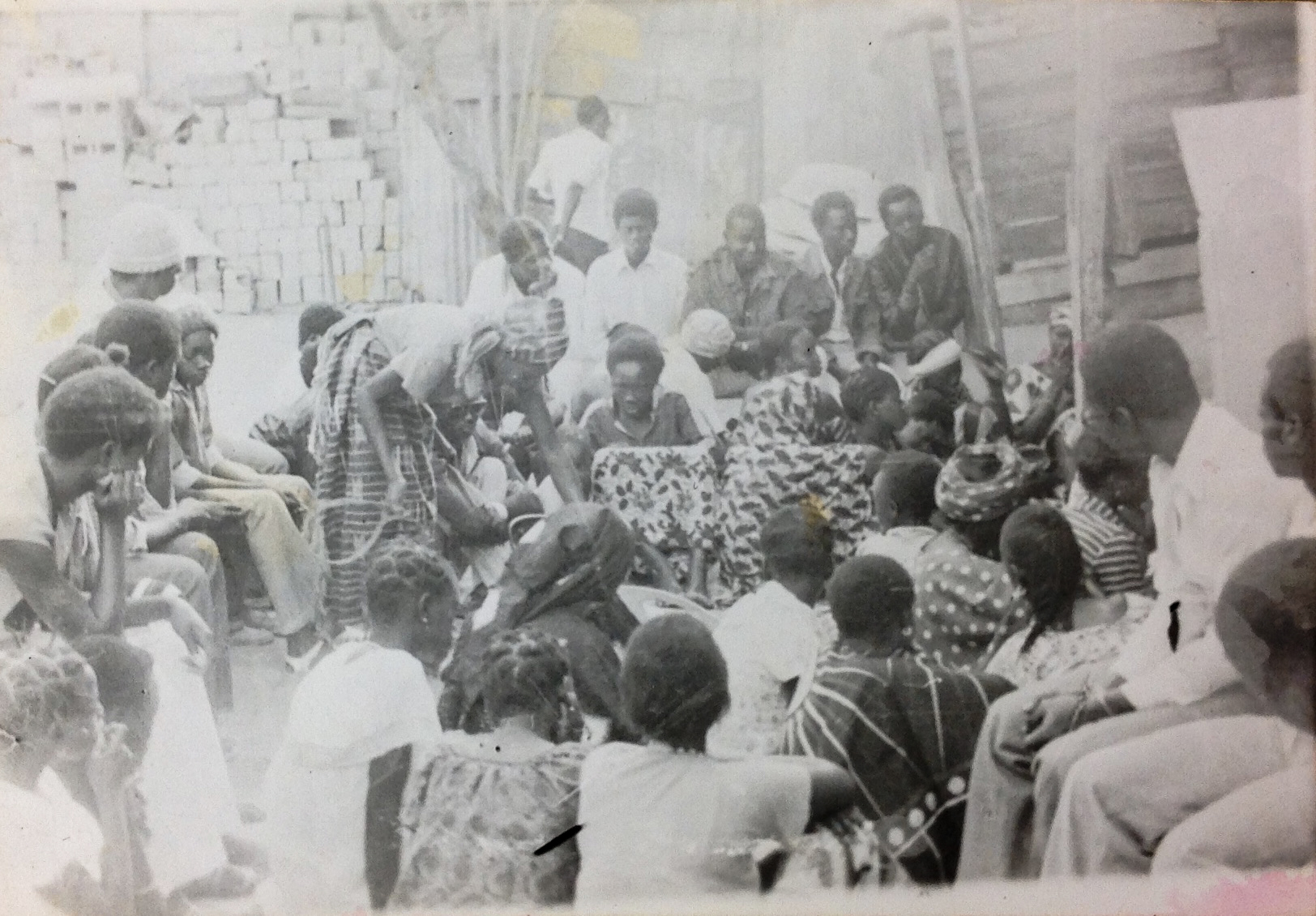
We broadcasted a rare cassette recording of a waxtaan (community dialogue in Wolof) by the cultural association Pencum Tilleen, in Dakar’s working class neighbourhood of Medina, circa late 1970s as part of the Wednesday evening broadcasts on panafricanspacestation. The members are also among the founders of the Senegalese Cultural Front, a group of Maoist thinkers and makers organising against the cultural policies of the-then regime of President-Poet Leopold Senghor. Read more…
L’ALMAMY SAMORI TOURE: ACT III – tbc
L’ALMAMY SAMORI TOURE: ACT IV – tbc
This article and other work by Chimurenga are produced through the kind support of our readers. Please visit our donation page to support our work.