
“Mandela was not the only head of state taken in by Koagne. Le king kept snapshots of himself with many a man of power, among them Mobutu Sese Seko and Denis Sassou Nguesso […] He took Mobutu for 15 million dollars. Blaise Compaoré of Burkina Faso lost 40 million to him. Sassou, Etienne Eyadéma of Togo, several high officials of Gabon, Tanzania and Kenya, a member of the Spanish government and an ex-operative of the Israeli Mossad were bamboozled as well.” – Dominique Malaquais (Blood Money: A Douala Chronicle).
Bantu Serenade by Ntone Edjabe (featuring Nah-ee-lah) (read excerpt)
Santu Mofokeng: Trajectory of a street photographer (part1) (read excerpt)
Binyavanga Wainaina: Hell In Bed With Mrs Peprah (read excerpt)
Dominique Malaquais: Lindela (the winnie suite) (read excerpt)
Boubacar Boris Diop: Myriem (read excerpt)

Cover:
Neo Muyanga
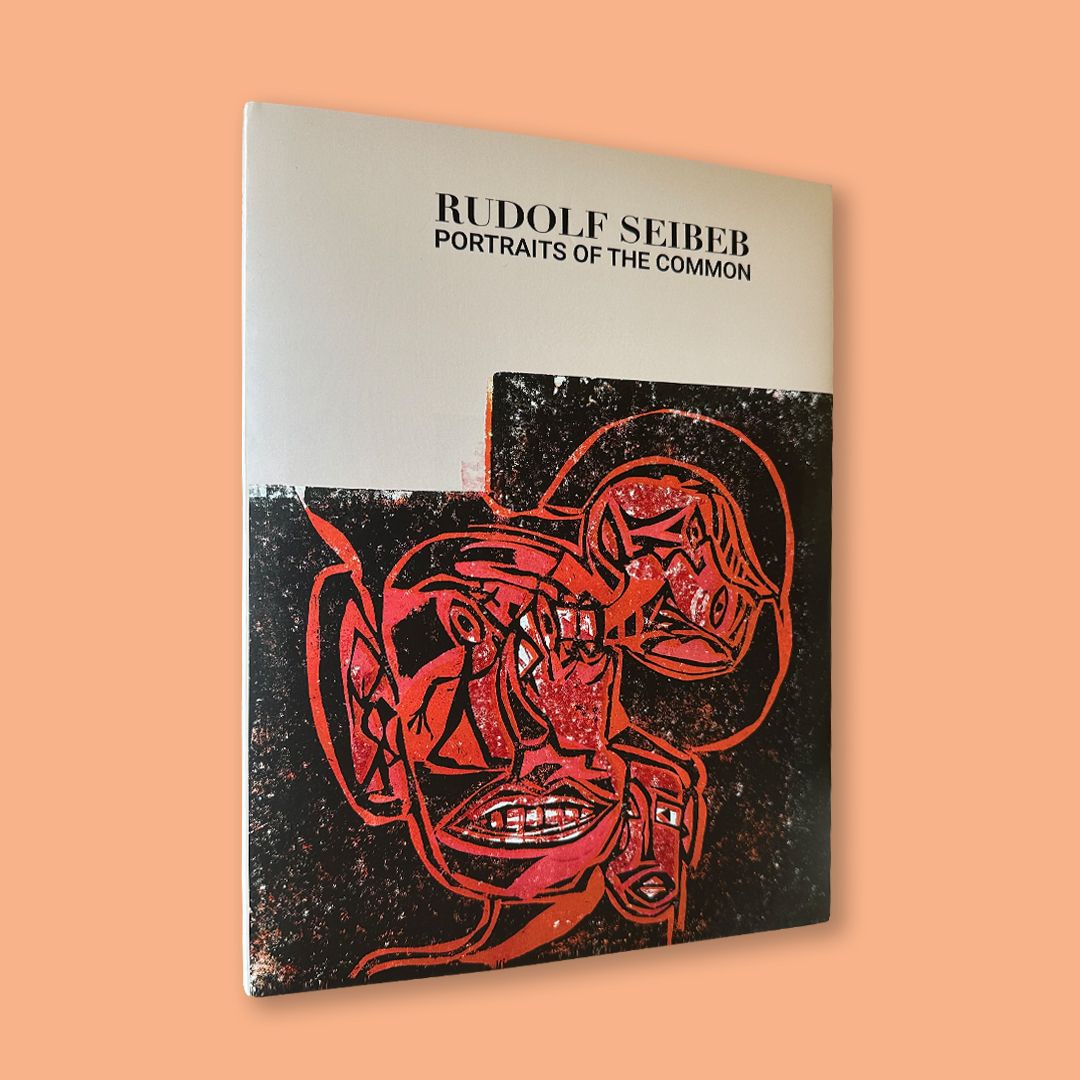
The ARAK Collection, in partnership with Hamad Bin Khalifa University Press, announces the release of Rudolf Seibeb: Portraits of the Common, a study of Namibian artist Rudolf Seibeb and the communal, material, and historical forces that inform his work.
Born in Okahandja in 1964, Seibeb has developed a practice rooted in everyday encounters, social memory, and an inventive use of found materials. His portraits and assemblages reflect the tensions, humour, and shared humanity of the world around him.
This publication presents new writing, interviews, and full-colour documentation that together illuminate the depth and trajectory of his practice.
In his foreword, Abdul Rahman Saleh AlKhelaifi, Founding Director of the ARAK Collection, reflects on the quiet precision of Seibeb’s vision:
"His art documents the often-overlooked moments in dailu experience, connectiong viewers acrss distance and background."
Seibeb shares, “What inspires me is human relationships my daily encounters with people. For me, every person is the same… The faces I paint are treated equally, no matter the background.”
Writer Ashraf Jamal describes the complexity and candour of the artist’s universe:“To enter Seibeb’s world is to meet both clarity and ambiguity. He neither instructs nor persuades; he simply presents what he sees.”
Seibeb’s work weaves individual experience with public life. Curator Jamil Osmar Parasol highlights his ability to translate political and social pressures into symbolic imagery.Namibian curator Frieda Lühl underscores his relationship to the natural world, noting the recurring animal symbols that reflect his ethos of balance and coexistence.
The publication brings together multiple voices writers, curators, and the artist himself to map Seibeb’s journey from his formative years at the John Muafangejo Art Centre to his expanded role in Namibian contemporary art. Newly photographed works and studio reflections provide readers with direct insight into his methods and materials.